

RECAP: Bandon Port Tour
Friday, February 20th, 2026 — Port of Bandon, Bandon, Oregon
We always love bringing folks to the Port of Bandon, where a seaweed farm and urchin ranch can really open people’s eyes to new industries hitting the Oregon Coast. This time, our port tour was the most well-rounded it’s ever been, beginning with a rich history lesson from Charis of Bandon Tours and concluding with beautifully crafted dishes from the culinary team at Bandon Dunes Golf Resort.

A Town Shaped by the Sea
Our morning started not at the tanks, but in the story of Bandon itself. Founded in the late 1800s the town’s identity has long been intertwined with timber, fishing, and the Coquille River. Charis of Bandon Tours painted a picture of early settlers, shipbuilding days, cranberry bogs, and the devastating 1936 fire that reshaped downtown. From Coquille River salmon runs to the evolution of the waterfront, Bandon’s resilience became a throughline, a community repeatedly reinventing itself while staying rooted in the sea. And that spirit of adaptation is still alive today at the port!!

Innovation Behind the Old Coast Guard Station
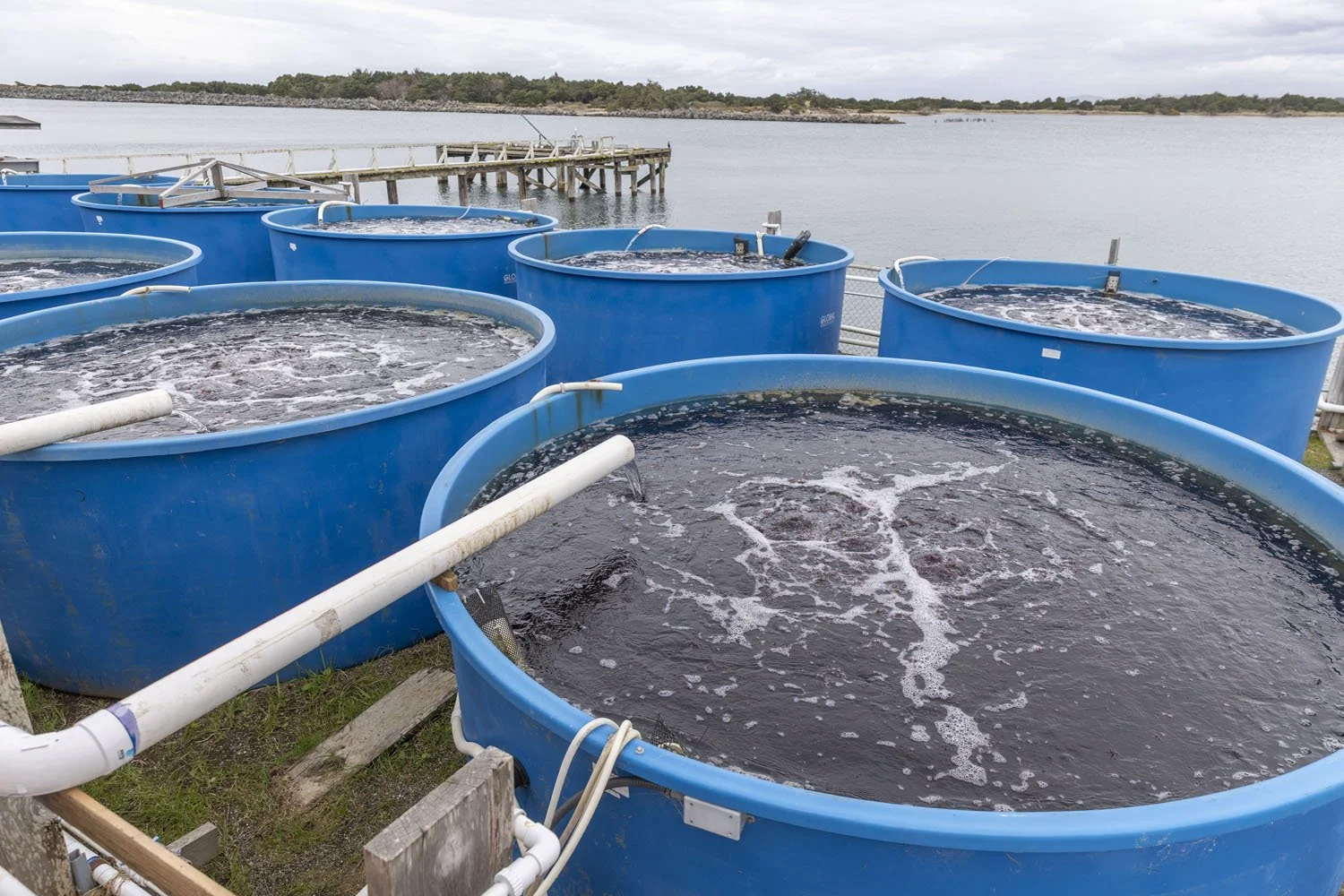
Behind the Port Office, once the town’s Coast Guard station, lies (to us) one of the most exciting examples of small-port innovation on the Oregon Coast. Under the leadership of Port Manager Jeff Griffen, the port has embraced land-based aquaculture as part of its working waterfront future.
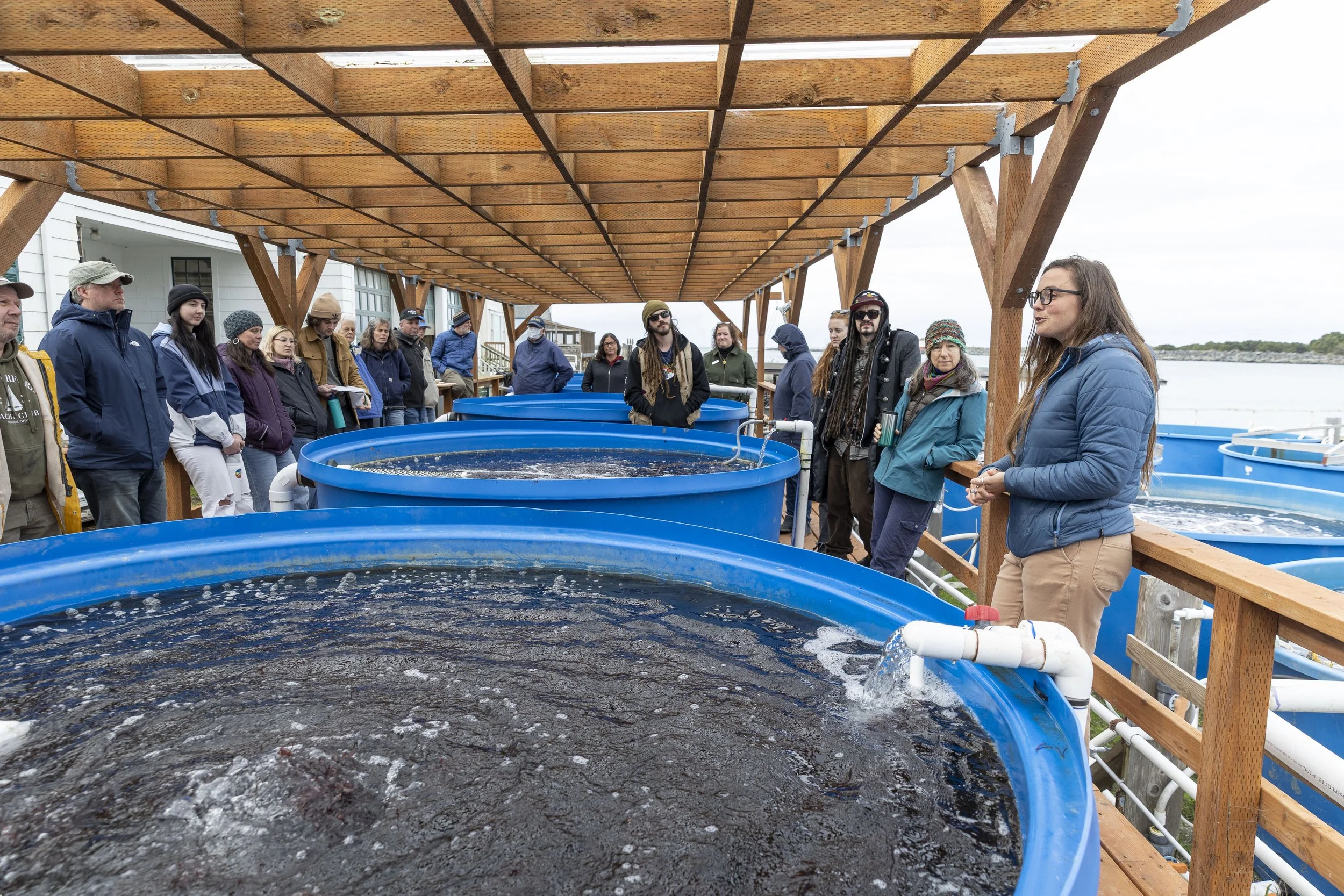
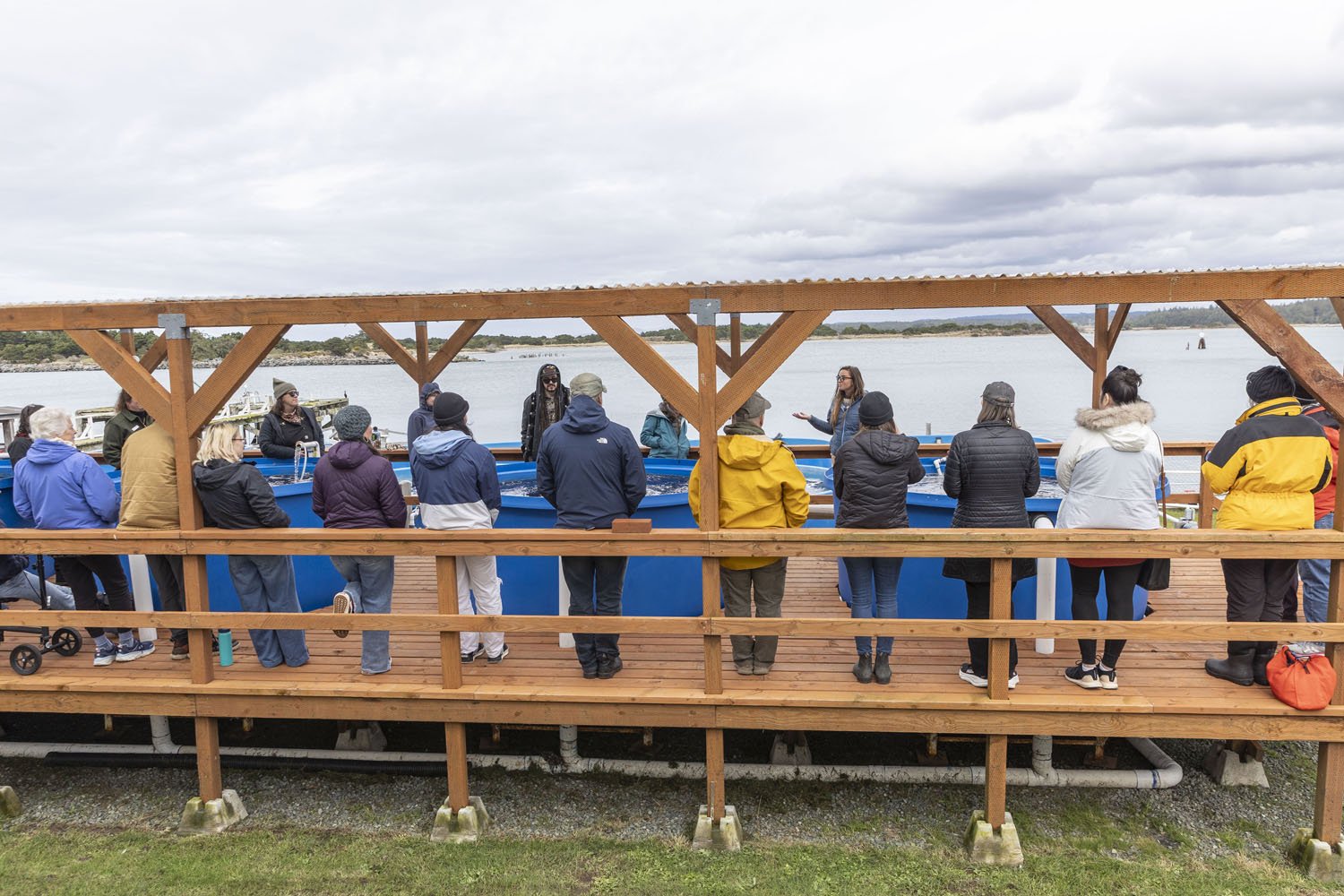
In collaboration with Oregon Seaweed, the port has developed land-based aquaculture tanks producing Pacific dulse. Guests learned from Alanna, Winter Waters co-founder who works with Oregon Seaweed, about the nuances of seaweed farming. We explored the differences between land-based and open-water aquaculture, the environmental controls required for each system, and the regulatory landscape that currently limits in-ocean kelp line development in Oregon.







Urchin Ranching & Restoring Balance
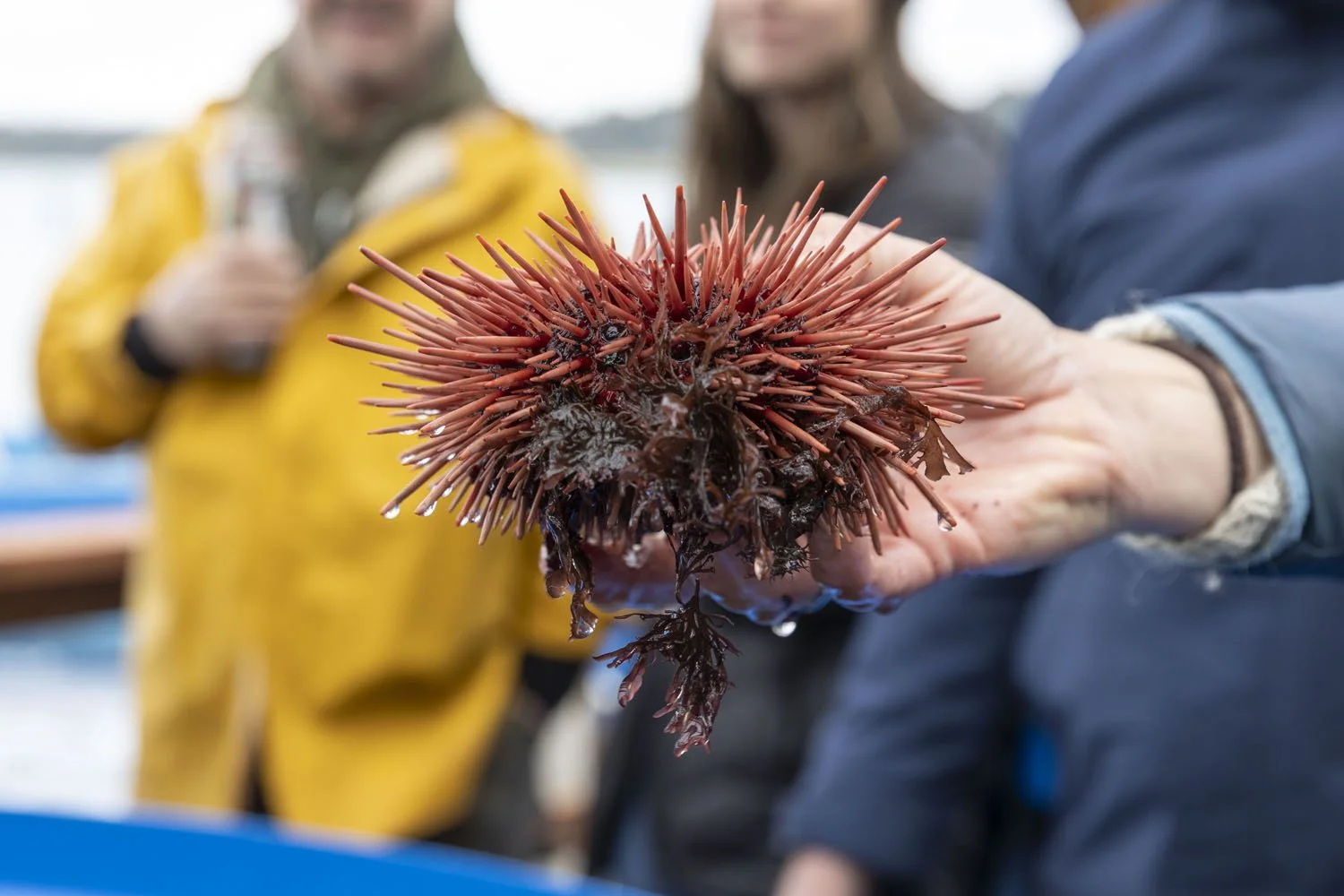
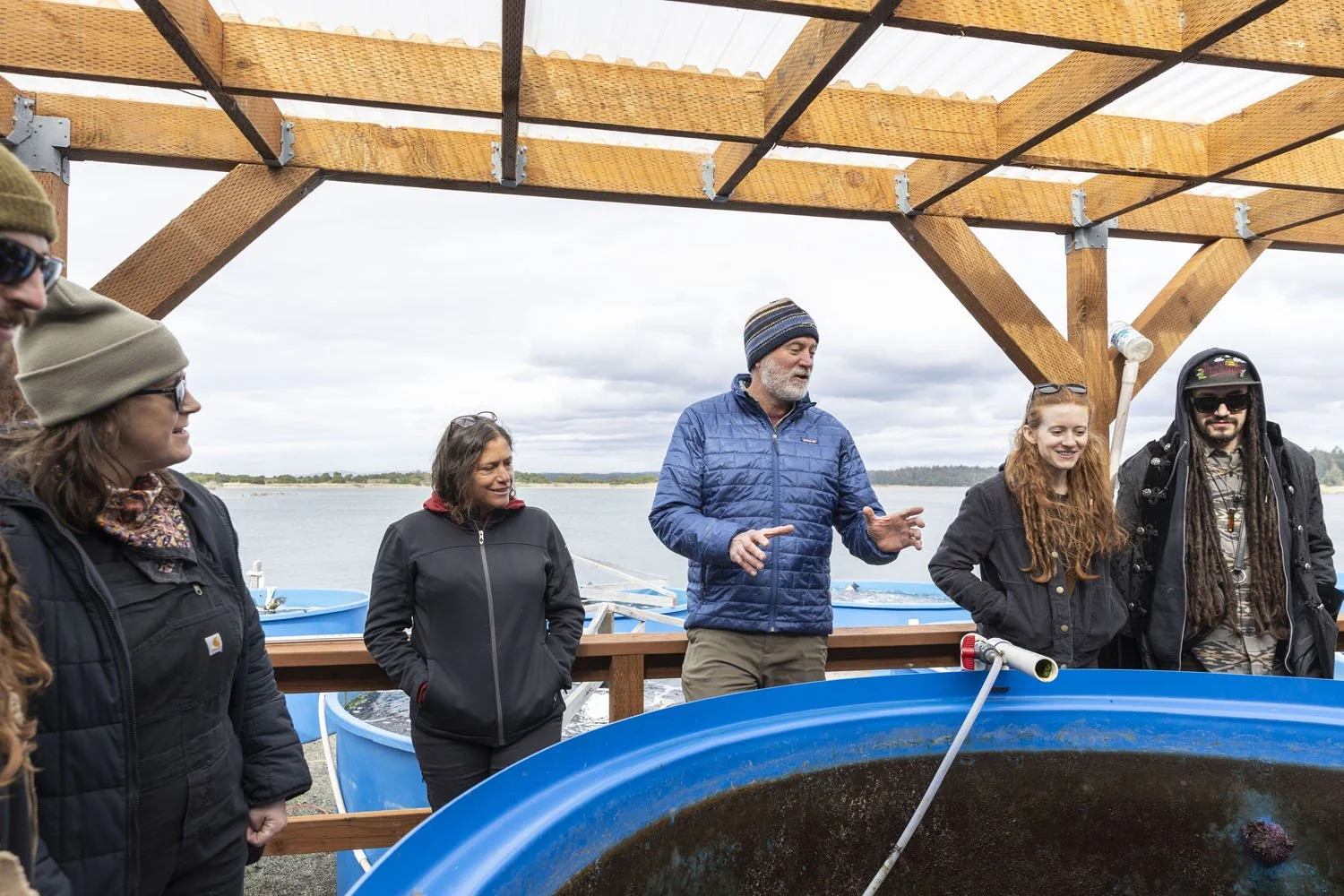
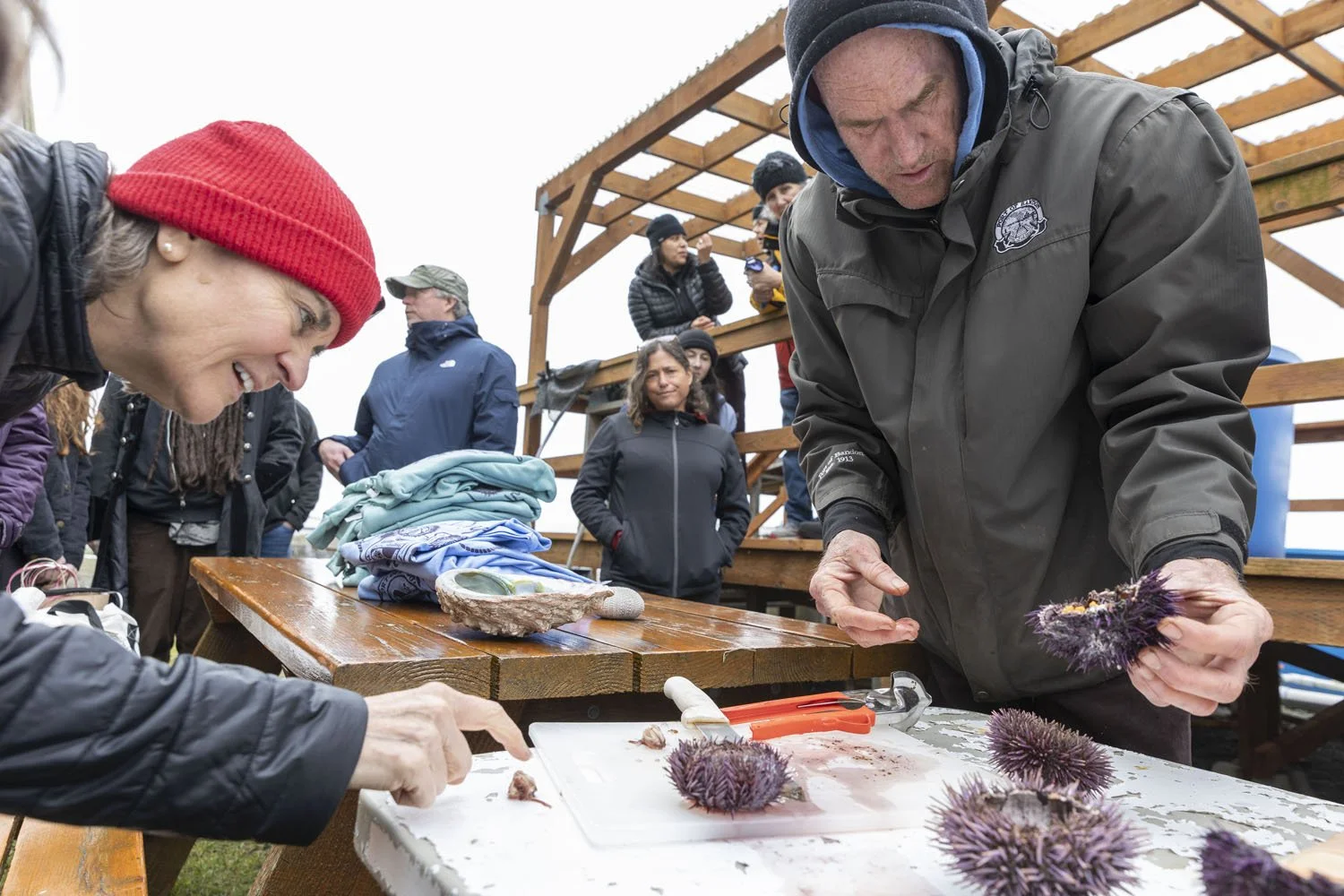
From seaweed, we shifted to sea urchins, and a deeper ecological conversation. At the newly developed urchin ranching tanks, Jeff walked us through the science and necessity behind the operation.
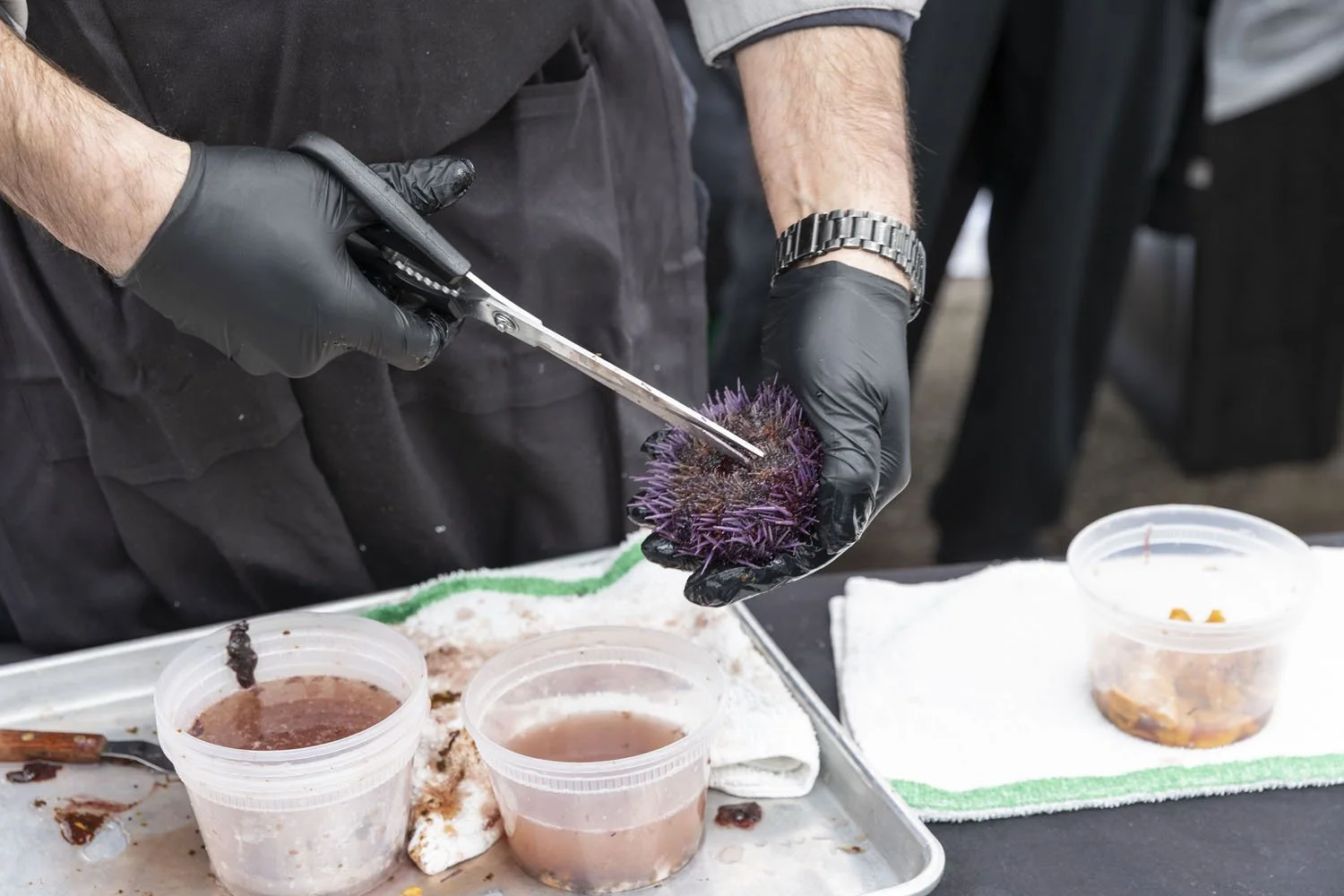
We discussed kelp forest decline and the role unchecked urchin populations play in creating “urchin barrens,” where overgrazing strips reefs of kelp canopy. Ranching provides a market-based solution: harvested urchins are brought into controlled systems and fed nutrient-rich diets to restore the quality of their roe before entering the culinary market. Jeff broke down urchin anatomy, feeding biology, and why wild-caught urchins are often not market-ready without this finishing process.
These tanks show a case study in how working waterfronts can address ecological imbalance while supporting coastal economies.

Sea Snacks
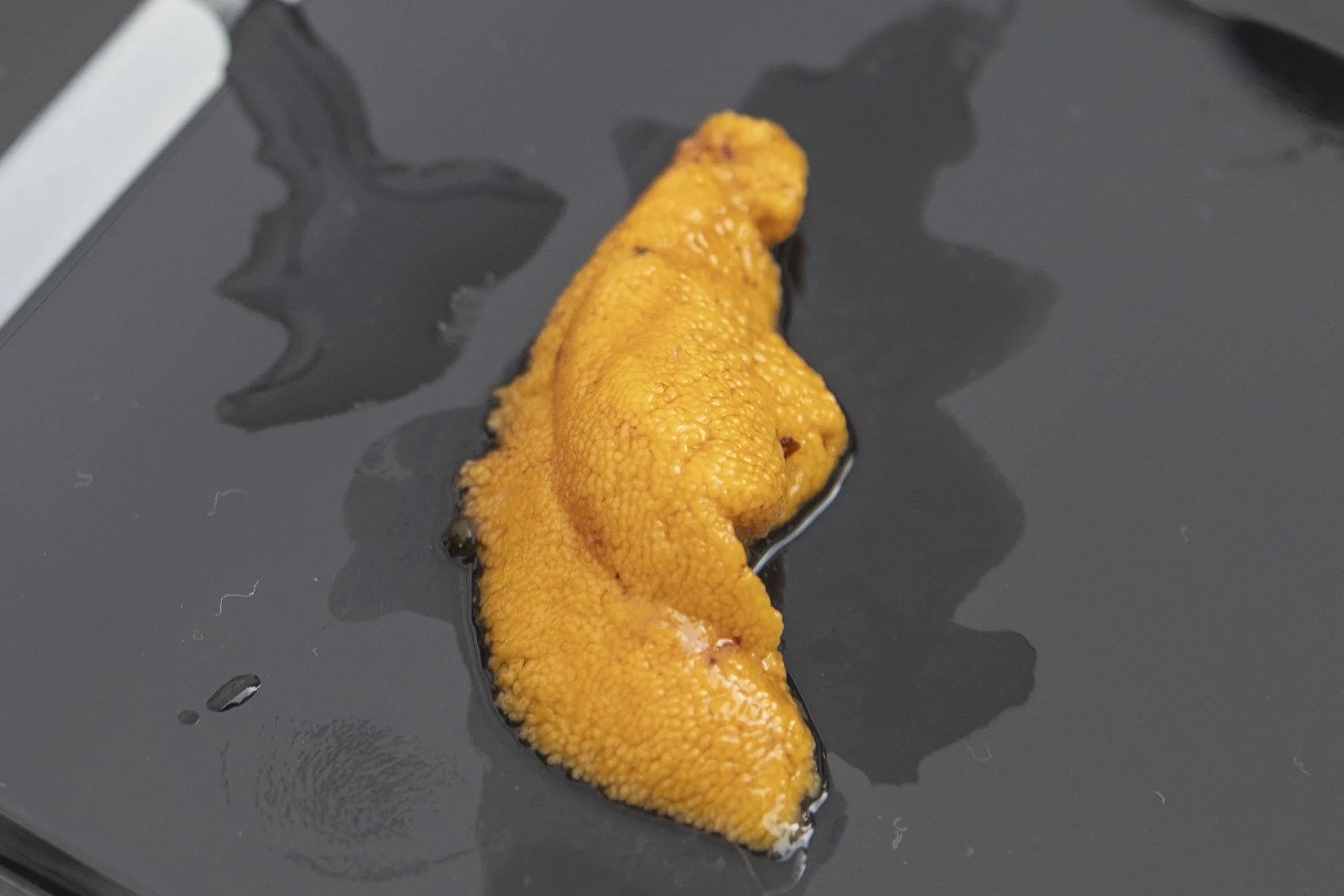
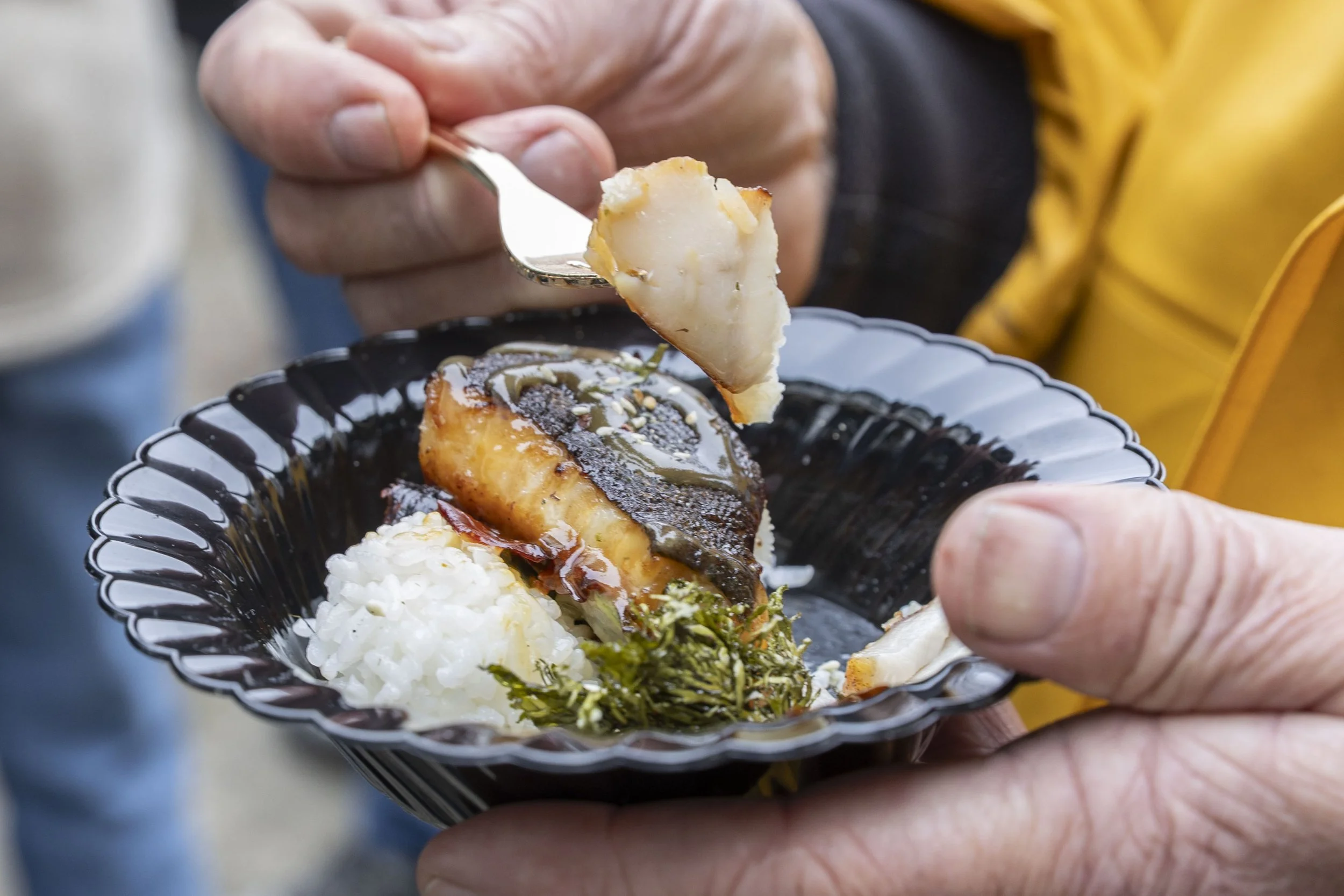
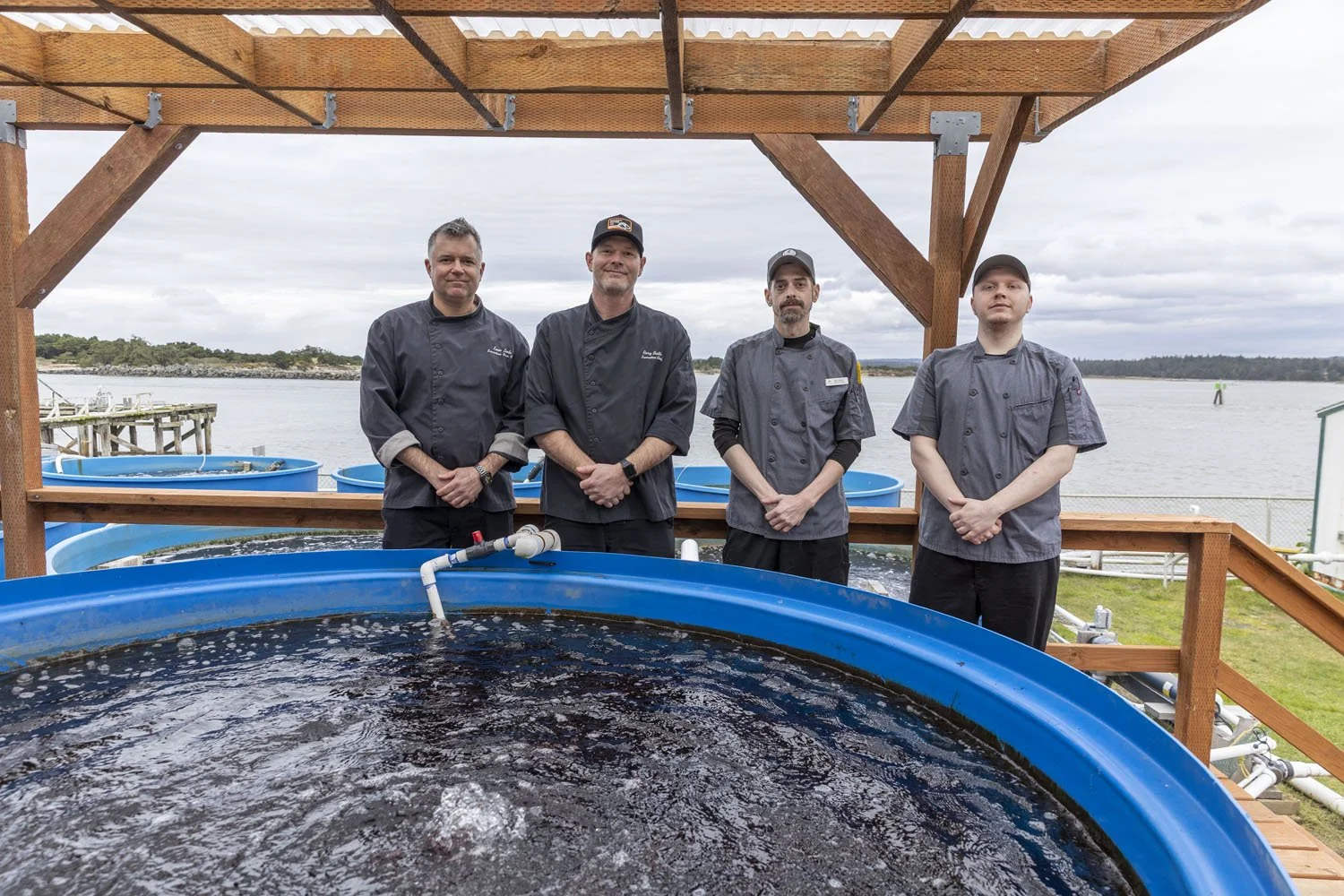
After a day steeped in history, science, and innovation, it felt fitting to end with some local seafood. The culinary team from Bandon Dunes made up of Chef Eric, Chef Kevin, and Chef Rory transformed what we had learned into thoughtful, beautifully executed dishes. They began with uni from the tanks we just stood around, served over rice with furikake on top. Chef Rory, spoke about practices of Bandon Dunes and the way that the resort exposes world wide travelers to flavors of the Oregon Coast.
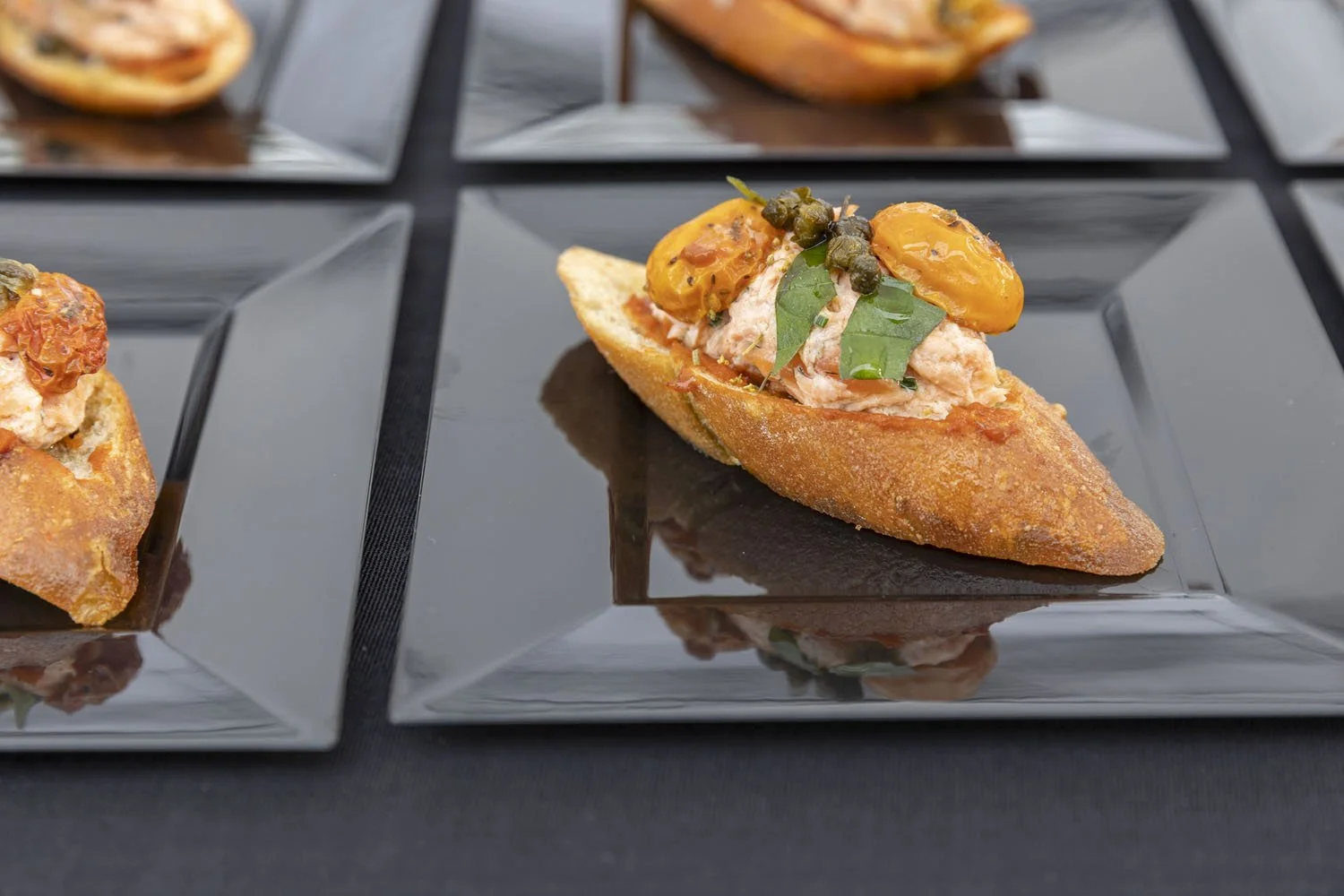
We also got to try a Smoked Columbia River Steelhead Rillette served on a baguette bruschetta with tomato jam, demi sec tomato, basil and fennel pollen as well as a Port Orford Miso Sablefish with steamed rice, sunomono, dulse wakame, yuzu glaze and furikake.
This visit to the Port of Bandon captured the full arc of the coast: past, present, and future.
Huge thank you to to Travel Southern Oregon Coast and Bandon Dunes Charitable Foundation for sponsoring this day of events, and to Bandon Dunes Golf Resort for hosting delicious sea snacks.
